Quality and typicity of a prestigious worldwide known OAC
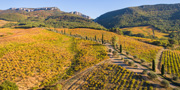
Soil is made of big round pebbles where vines can nevertheless take root ! The big pebbles are keeping heat of the day which benefits to the vines during the night.
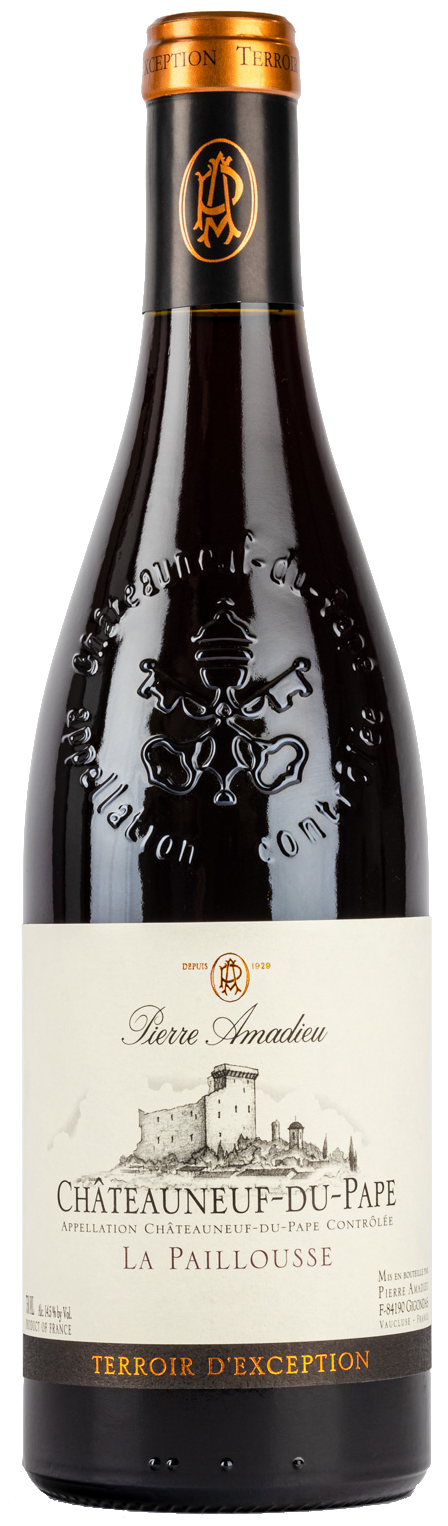
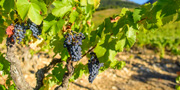
This cuvee selected by Pierre Amadieu is a blend of Grenache and Syrah grape varieties. Harvest are done by hand in October and the winemaking is done while respecting the tradition of this well-known appellation. Ageing is done in oak casks during 14 months.
A deep purple colour, some delicate red fruits and fig aromas on the nose. On the palate, velvety aromas of black fruits, mint, liquorice, garrigue.
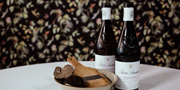
Try it with game and mushrooms, and also with ...liquorice ice. You can either leave it for a while (10 years) or enjoy it from its second year.
The vineyard of Chateauneuf du Pape was probably founded by Romans. The name Castrum Novum (which means New Castle in Latin) was first used in 1157 because of the castle that was just build. During the 12th century, the first vines appeared and the first wines' references are dated 1321 during the stay of the Popes in Avignon. The first rule concerning vine growing in Chateauneuf du Pape is dated 1727. In 1922, the vintner's Union decided to accept certain rules concerning the area of production, the production of grapes, the alcoholic percentage, the harvest, the tasting control of wines, Rosé was then banned.. These rules are the base of the nowadays regulation for the Controlled Appellation which was given to Chateauneuf in 1936.
The Controlled Appellation
The area of appellation is 3200 ha large, composed of Chateauneuf du Pâpe, Courthezon, Bédarrides and Orange. 13 grape varieties are allowed (Red grapes: Grenache, Syrah, Mourvèdre, Cinsault, Vaccarèse, Terret, Counoise, Muscardin. White grapes: Grenache, Roussanne, Clairette, Bourboulenc, Picardan, Picpoul). The maximum yield is 35 hectoliters per hectare and the minimum percentage of alcohol is 12.5%.
Terroir
What make the soil of Chateauneuf du Pape interesting are the famous pebbles which keep the heat all day long and restore it during the night. The sun and the wind called Mistral are both very important factors to the micro climate of this region.